Korean Bibimbap
Highlighted under: International World Food Inspiration
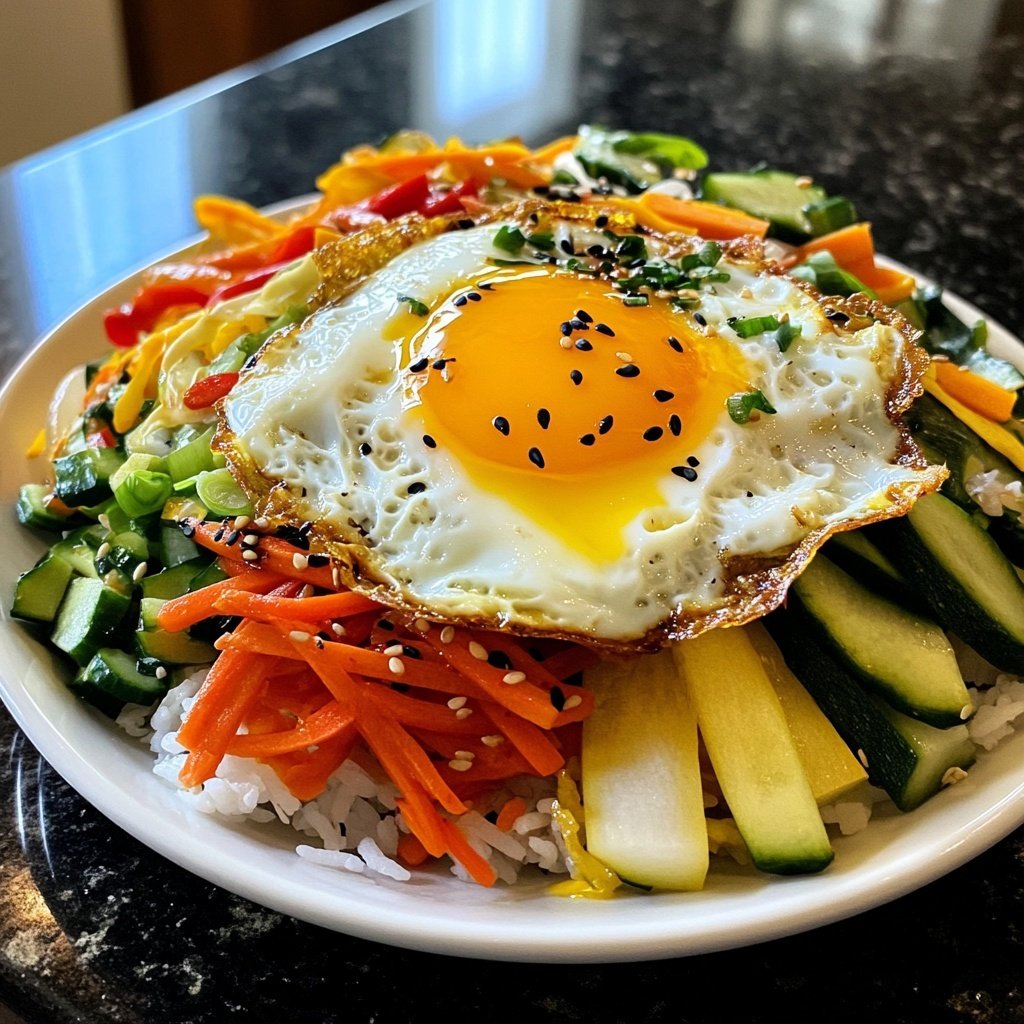
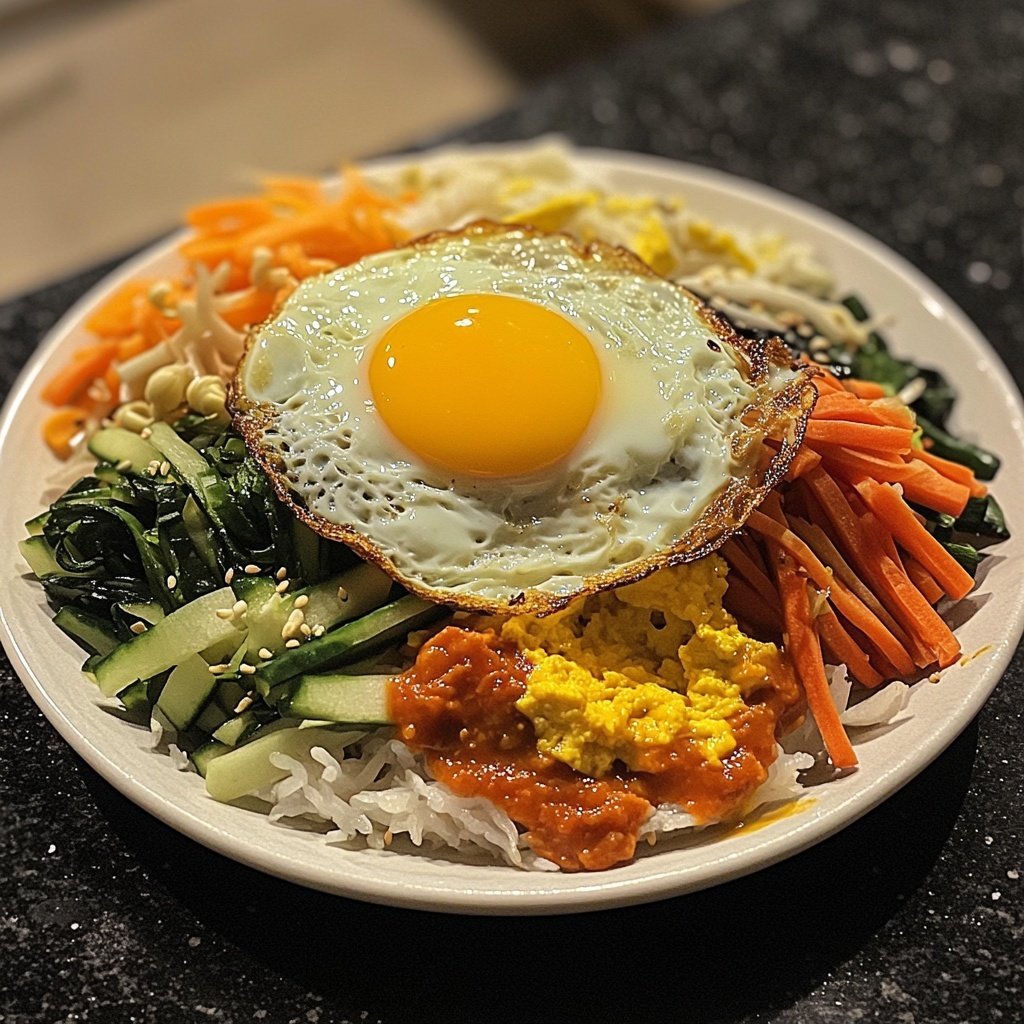
Korean Bibimbap is a vibrant and flavorful rice dish topped with an assortment of sautéed vegetables, marinated beef, a fried egg, and spicy gochujang sauce.
This delicious Korean Bibimbap brings together an array of colorful vegetables and rich flavors in a single bowl. Perfect for lunch or dinner, it showcases the essence of Korean cuisine with its combination of textures and tastes.
Why You Will Love This Recipe
- A delightful mix of flavors and textures
- Healthy and customizable with your favorite vegetables
- Quick and easy to prepare for any meal
What Makes Bibimbap Unique
Bibimbap is more than just a meal; it's a culinary experience that combines a variety of textures and flavors into one bowl. The word 'bibimbap' translates to 'mixed rice,' which perfectly captures the essence of this dish. Each ingredient contributes its own distinct flavor, creating a harmonious blend that delights the palate. From the earthy taste of sautéed mushrooms to the crunch of fresh vegetables, every bite offers something new.
The vibrant colors of bibimbap also make it visually appealing. The array of vegetables—green spinach, orange carrots, and yellow zucchini—adds a festive touch to the dish. This colorful presentation not only makes your meal more enjoyable but also signals the nutritional variety contained within. Eating a well-balanced meal has never been so visually enticing!
Customization for Every Palate
One of the greatest advantages of bibimbap is its versatility. You can customize this dish based on your dietary preferences or what you have on hand. Whether you're a meat lover or a vegetarian, you can adapt the ingredients to suit your needs. Try substituting the ground beef with tofu or tempeh for a plant-based option, or add extra spicy kimchi for an additional kick.
Moreover, bibimbap is a fantastic way to make use of leftover vegetables. If you have any extra carrots, bell peppers, or even broccoli, feel free to toss them in. The only limitation is your imagination! This adaptability makes bibimbap a go-to dish for busy weeknights or meal prep, allowing you to create something delicious while minimizing waste.
Health Benefits of Bibimbap
Korean Bibimbap is not only delicious but also packed with nutrients. The combination of vegetables provides essential vitamins and minerals, while the rice offers a good source of carbohydrates for energy. Adding protein through beef or other alternatives ensures that the meal is balanced and satisfying. The incorporation of healthy fats from sesame oil also contributes to heart health.
In addition to being nutritious, bibimbap can be a low-calorie option if prepared mindfully. By using less oil and incorporating more vegetables, you can create a lighter version without sacrificing flavor. This makes it an excellent choice for those looking to maintain a healthy lifestyle while enjoying their meals.
Ingredients
For the Bibimbap
- 2 cups cooked jasmine rice
- 1 cup spinach, blanched
- 1 cup bean sprouts, blanched
- 1 carrot, julienned
- 1 zucchini, julienned
- 1 cup shiitake mushrooms, sautéed
- 1/2 pound ground beef, cooked and seasoned
- 4 eggs, fried
- 4 tablespoons gochujang (Korean chili paste)
- Sesame oil, for drizzling
- Sesame seeds, for garnish
Feel free to adjust the vegetables and proteins according to your preference!
Instructions
Prepare the Base
In a large bowl, place the cooked jasmine rice at the bottom.
Add Vegetables
Arrange the blanched spinach, bean sprouts, julienned carrot, zucchini, and sautéed shiitake mushrooms on top of the rice.
Cook the Beef
In a skillet, cook the ground beef with a bit of garlic, salt, and pepper until browned.
Fry the Eggs
In another pan, fry the eggs sunny-side up.
Assemble the Bowl
Place the cooked beef and fried eggs on top of the vegetables in the rice bowl.
Garnish and Serve
Drizzle with sesame oil, add gochujang, and sprinkle sesame seeds before serving.
Mix everything together before enjoying!
Pro Tips
- Feel free to add your favorite protein or substitute with tofu for a vegetarian option.
Serving Suggestions
Bibimbap is best served hot and fresh, but it can also be enjoyed as leftovers. For a delightful twist, try serving it in a stone bowl for that authentic Korean experience. The heat of the stone bowl creates a crispy layer of rice at the bottom, known as 'nurungji,' which adds an exciting texture to each bite.
Pair your bibimbap with traditional Korean side dishes, or banchan, such as kimchi or pickled radishes. These sides complement the flavors in bibimbap and enhance your meal experience. For a refreshing drink, serve with a glass of iced barley tea or a light, fruity beverage.
Tips for Perfect Bibimbap
To elevate your bibimbap to restaurant-quality, focus on the quality of your ingredients. Fresh, seasonal vegetables not only taste better but also enhance the nutritional profile of your dish. If possible, visit a local farmer's market to find the freshest produce available.
When it comes to cooking the beef, make sure not to overcook it; aim for a tender, juicy texture. Season it well with garlic, salt, and a touch of soy sauce for extra flavor. Lastly, don't skip on the gochujang! This spicy chili paste is the heart of bibimbap, providing that necessary heat and depth of flavor.
Questions About Recipes
→ Can I make Bibimbap vegetarian?
Yes! Simply replace the beef with tofu or additional vegetables.
→ What can I use instead of gochujang?
You can use sriracha or any other chili paste, though the flavor will differ.
→ How do I store leftovers?
Store in an airtight container in the refrigerator for up to 3 days.
→ Can I use brown rice instead of jasmine rice?
Yes, brown rice is a great alternative for a healthier option.
Korean Bibimbap
Created by: Rebecca Turner
Recipe Type: International World Food Inspiration
Skill Level: Intermediate
Final Quantity: 4 servings
What You'll Need
For the Bibimbap
- 2 cups cooked jasmine rice
- 1 cup spinach, blanched
- 1 cup bean sprouts, blanched
- 1 carrot, julienned
- 1 zucchini, julienned
- 1 cup shiitake mushrooms, sautéed
- 1/2 pound ground beef, cooked and seasoned
- 4 eggs, fried
- 4 tablespoons gochujang (Korean chili paste)
- Sesame oil, for drizzling
- Sesame seeds, for garnish
How-To Steps
In a large bowl, place the cooked jasmine rice at the bottom.
Arrange the blanched spinach, bean sprouts, julienned carrot, zucchini, and sautéed shiitake mushrooms on top of the rice.
In a skillet, cook the ground beef with a bit of garlic, salt, and pepper until browned.
In another pan, fry the eggs sunny-side up.
Place the cooked beef and fried eggs on top of the vegetables in the rice bowl.
Drizzle with sesame oil, add gochujang, and sprinkle sesame seeds before serving.
Extra Tips
- Feel free to add your favorite protein or substitute with tofu for a vegetarian option.
Nutritional Breakdown (Per Serving)
- Calories: 600 kcal
- Total Fat: 24g
- Saturated Fat: 6g
- Cholesterol: 180mg
- Sodium: 900mg
- Total Carbohydrates: 78g
- Dietary Fiber: 5g
- Sugars: 5g
- Protein: 25g